Understanding St. Petersburg's Climate and Concrete Pouring
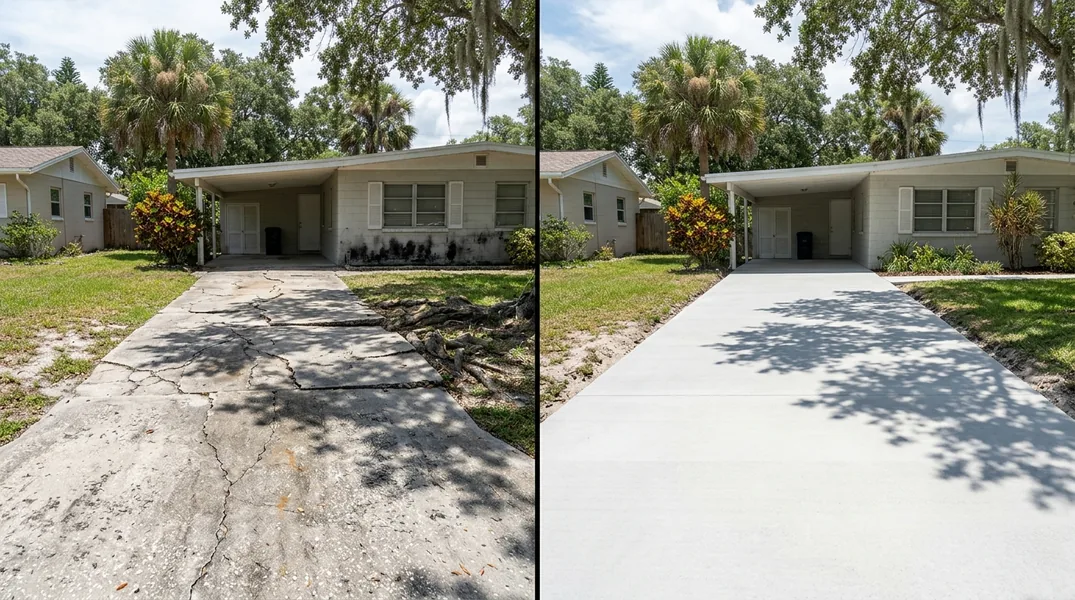
If you're planning a Concrete Driveways project in St. Petersburg, timing is everything. Florida's subtropical climate presents unique challenges and opportunities for concrete work. Unlike regions with four distinct seasons, St. Petersburg experiences warm weather year-round, but the intensity of heat, humidity, and rainfall varies significantly throughout the year. Understanding these patterns is crucial for ensuring your concrete cures properly and reaches its full strength.
The concrete curing process is sensitive to environmental conditions. Temperature, moisture, and humidity all play critical roles in how well your concrete sets and hardens. Pour concrete when conditions are too extreme, and you risk surface cracking, uneven curing, and reduced durability. This is why working with an experienced St. Petersburg concrete contractor who understands local weather patterns can save you thousands in repairs down the road.
The Florida Rainy Season: Why Timing Matters for Concrete Pouring
Florida's rainy season typically runs from June through September, with peak rainfall occurring in August and September. During these months, afternoon thunderstorms are nearly daily occurrences in the Tampa Bay area. When you're considering when to pour concrete Florida, the rainy season presents a significant obstacle. Heavy rain during the curing process can wash away cement, weaken the concrete's surface, and create inconsistent finishes. Additionally, excess water interferes with the hydration process that concrete needs to reach its designed strength.
Beyond just rainfall, the rainy season brings elevated humidity levels that can slow the curing process unpredictably. Concrete needs to dry and cure at a relatively consistent rate. When humidity spikes to 90 percent or higher, water evaporates more slowly from the concrete's surface, which can lead to surface defects and reduced strength development. If you absolutely must schedule concrete work during the rainy season, your St. Petersburg concrete contractor can use tarps, moisture barriers, and timing strategies to minimize risk, but this adds cost and complexity to your project.
Spring and Fall: The Ideal Seasons for Concrete Work
Spring (March through May) and fall (October through November) are widely considered the best times to pour concrete in Florida. During these seasons, temperatures are moderate, typically ranging from 65 to 85 degrees Fahrenheit. This temperature range is ideal for concrete curing because it allows the hydration process to proceed at a steady, predictable pace. The concrete won't cure too quickly (which causes surface cracking) or too slowly (which delays your project timeline). Humidity levels are also more manageable during these shoulder seasons, and rainfall is less frequent and intense than during the summer months.
Spring is particularly popular because homeowners are motivated to complete outdoor projects before summer heat sets in. If you're planning Concrete Patios or other decorative work, spring allows contractors to work comfortably and achieve excellent results. Fall offers similar advantages with the added benefit of lower demand, which sometimes means faster scheduling and competitive pricing. Many homeowners overlook fall as a concrete season, but it's actually an excellent window that avoids both the summer heat and winter's occasional cold snaps.
Summer Heat and Concrete Curing: Challenges and Solutions
Summer in Florida brings intense heat, with temperatures regularly exceeding 90 degrees Fahrenheit and sometimes climbing into the mid-90s. While concrete can technically be poured in hot weather, the extreme heat accelerates the curing process, which creates challenges. When concrete cures too quickly, the outer surface hardens before the interior fully sets, leading to surface cracking, crazing (fine surface cracks), and reduced overall durability. Additionally, concrete curing heat and humidity work together in summer to create an environment where water evaporates rapidly from the surface, further increasing the risk of defects.
If you must pour concrete during the summer months, experienced contractors use specialized techniques to manage the process. These include using cooler water in the concrete mix, applying evaporation retarders to slow surface drying, scheduling pours early in the morning to minimize heat exposure, and keeping the concrete moist during the curing period through careful watering and misting. Stamped and Decorative Concrete projects are especially sensitive to heat-related issues because the stamping process requires precise timing. The added cost and complexity of summer concrete work is why most homeowners choose to wait for spring or fall when possible.
Winter Considerations for Concrete Pouring in Florida
Winter in St. Petersburg is mild compared to northern states, but it still presents some considerations for concrete work. From December through February, nighttime temperatures can occasionally dip into the 40s or even 50s Fahrenheit, particularly during cold fronts. While this isn't cold enough to prevent concrete curing entirely, it does slow the process considerably. Concrete needs warmth to cure properly, and prolonged cold spells can extend curing times by days or even weeks, delaying your project completion.
Another winter concern is occasional frost risk. While freezing temperatures are rare in St. Petersburg, they do happen during severe winter weather events. If concrete is exposed to freezing temperatures during its initial curing phase, it can suffer permanent damage. For this reason, most contractors recommend avoiding concrete work during the coldest months of December and January when possible. However, late February through early March can be excellent for concrete projects as temperatures warm up and you're entering the spring season.
Choosing the Right Time for Your Concrete Project: A Homeowner's Guide
So when should you actually pour concrete in Florida? The answer depends on your specific project type and timeline. For most homeowners, late March through April or October through early November represents the sweet spot. These windows offer ideal temperature and humidity conditions, minimal rainfall risk, and predictable curing conditions. If you're planning a major project like a driveway or patio, scheduling during these peak seasons ensures quality work and faster completion.
The best approach is to consult with your local contractor about your specific project needs. Every situation is unique, and while general guidelines help, an experienced St. Petersburg concrete contractor can assess your property, review the extended forecast, and recommend the optimal timing for your work. They can also discuss whether your project requires Concrete Repair and Resurfacing work or if a new installation makes sense. Don't let seasonal concerns delay your project indefinitely, but do plan strategically to maximize quality and durability. Call St. Petersburg Concrete at (727) 491-2239 today to discuss your concrete project and get a free estimate tailored to the best timing for your needs.
Looking for a professional concrete contractor in St. Petersburg? St. Petersburg Concrete responds fast for all your concrete needs.
Get a Free QuoteOur services: Concrete Driveways · Concrete Patios · Stamped & Decorative Concrete